4 Things You Need to Know About Fall Protection Expiration and Inspection
Words: Isa Stein
Sponsored By
Fall protection equipment is a critical component of workplace safety, designed to safeguard workers from potentially life-threatening falls. However, like all equipment, fall protection gear has a finite lifespan and must be regularly inspected to ensure its effectiveness. In this blog, we will delve into everything you need to know about fall protection expiration and inspection.
1. How to Know When Fall Protection Equipment Expires
Determining the expiration of fall protection equipment is crucial for the safety of workers at height. The first step in this process is to refer to the user manual and labels on your gear. Manufacturers are legally obligated to outline how long a fall protection product can be safely used in the field. The expiration date may be explicitly stated on the equipment or found in the user manual.
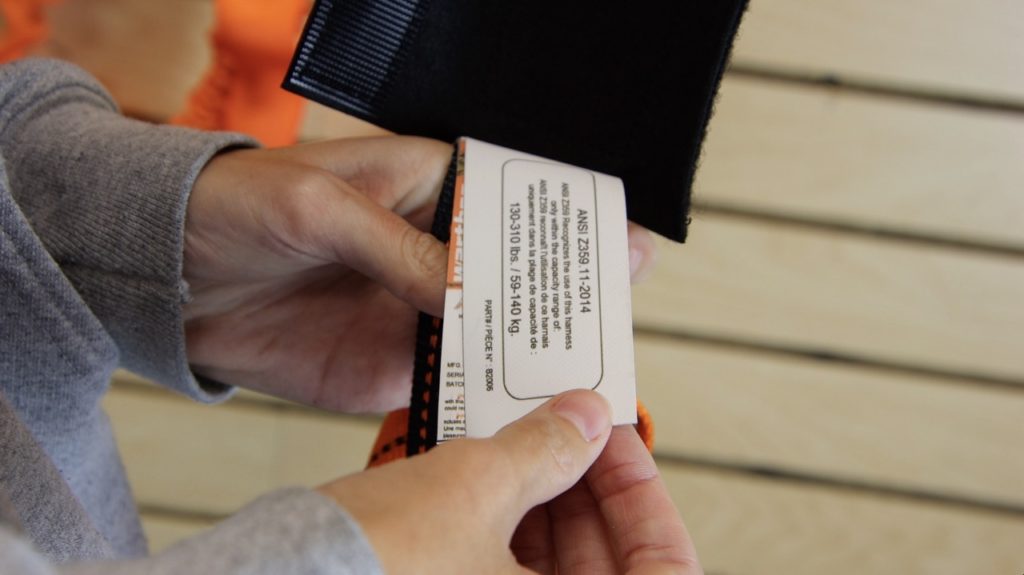
If your fall protection gear doesn't display an expiration date on the equipment itself, it should be detailed in the user manual. Always prioritize safety by adhering to these guidelines. It's important to note that using equipment beyond its expiration date can significantly compromise safety and increase the risk of accidents.
2. OSHA Regulations Regarding Fall Protection Expiration
OSHA, the Occupational Safety and Health Administration, provides essential guidance on workplace safety, including fall protection. When it comes to the expiration of fall protection equipment, OSHA's stance is clear: refer to the user manual and manufacturer instructions for information on inspection, maintenance, and retirement of your equipment. OSHA 1910.1409(c)(18) states: "Personal fall protection systems must be inspected before initial use during each work shift for mildew, wear, damage, and other deterioration, and defective components must be removed from service." These instructions are typically part of a comprehensive fall protection plan, which must be in place for workplaces with fall hazards.
OSHA emphasizes the importance of regular inspections and maintenance, which include both pre-use and competent person inspections. These inspections are essential for ensuring the integrity of fall protection equipment. OSHA's regulations are in place to protect workers, and compliance with these guidelines is not optional—it is legally mandated.
RESOURCE: OSHA 1910.140(c)(18)
3. Manufacture Date vs. Expiration Date
One common source of confusion regarding fall protection equipment is the difference between the manufacture date and the expiration date. The label on your equipment will typically display a date, but it is crucial to understand that this date represents the manufacture date, not the expiration date.
It's worth noting that conflicting dates and policies can arise, especially when internal company policies differ from manufacturer recommendations. In such cases, it is advisable to follow internal policies and be sure to evaluate manufacturer recommendations regarding best safety practices.
The reasons for varying expiration dates and internal policies can include differences in environmental conditions, usage patterns, and the specific materials used in the equipment. Policies use these factors to determine recommended expiration dates.
4. When to Remove Fall Protection Equipment from Service
Regular inspections, both pre-use and competent person inspections, are crucial for identifying any signs of wear, damage, or degradation in fall protection equipment. If equipment fails any inspection, it should be immediately removed from service. Fall protection equipment can fail for various reasons, including visible damage, worn or frayed webbing, bent or cracked metal components, or malfunctioning mechanisms. Any such issues warrant immediate removal from service.
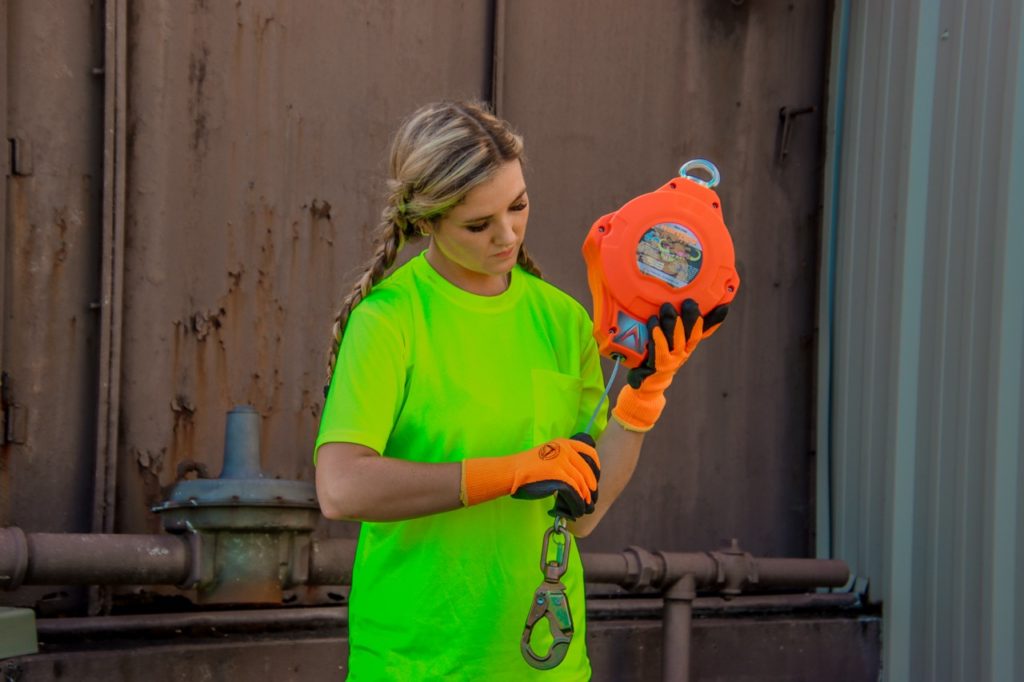
Once fall protection equipment has been removed from service due to damage or wear, it should be replaced with new, compliant gear. Alternatively, you can consult with a competent person—a trained individual with expertise in fall protection—to assess whether the equipment fails inspection and should be discarded.
It's important to emphasize that although fall protection equipment doesn't have an explicit expiration date doesn't mean it can be used indefinitely. All equipment has a finite lifespan, and regular inspection is crucial for identifying signs of wear and tear. Depending on the usage and storage of fall protection equipment, the lifespan may vary.
RESOURCE: Malta Dynamics – Inspection Forms
Fall protection is a vital aspect of workplace safety, and understanding the expiration and inspection requirements of fall protection equipment is non-negotiable for safeguarding workers. Always refer to the user manual and manufacturer guidelines to determine when your equipment expires. Compliance with OSHA regulations and manufacturer recommendations is imperative, as they are designed to protect the well-being of workers in environments where falls are a potential hazard.
By distinguishing between manufacture dates and expiration dates, conducting regular inspections, and promptly removing damaged equipment from service, you can ensure that your fall protection gear remains effective and reliable. Remember, safety should always be the top priority when working at heights, and a proactive approach to fall protection is the key to preventing accidents and injuries on the job.
For more information on fall protection expiration and inspection and more valuable resources, you can visit https://maltadynamics.com/safety-resources/.