Grand Central Station, Art Insitute of Chicago, and More
Words: Justin StengelPhotos: Sarah Crowley, LeoPatrizi, spyarm, christopherarndt, IreneLankin, Dave Hutchison, MissNephew, StephenBridger, Heartland-Arts
McCallister House, Chicago - Home Alone House
The McCallister House, an iconic Chicago landmark, stands as a testament to timeless architectural elegance and historical significance. Constructed in 1887 by architect Henry Ives Cobb, characterized by its robust stone, intricate carvings, iconic red brick and arches.
The McCallister House in Chicago is a symbol of warmth and comfort. The well-known Christmas film "Home Alone" transforms into the setting of a wild adventure when young Kevin McCallister is accidentally left behind during a family vacation. Against the backdrop of its cozy interiors, Kevin ingeniously defends his home from 2 burglars, showcasing the house as a fortress of resilience and ingenuity. As the heart of Kevin's imaginative defense strategy, the McCallister House becomes a character itself, embodying the spirit of home and family in the face of unexpected challenges.

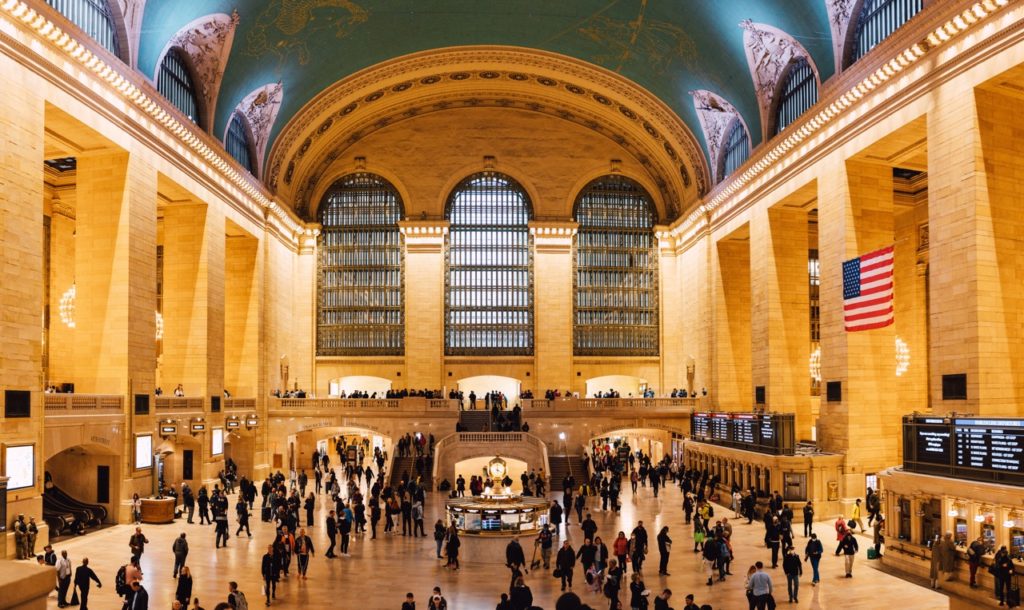
Grand Central Station - Men In Black II
Grand Central Terminal, an architectural marvel nestled in the heart of New York City, stands as a testament to the city's innovation and character. Since its completion in 1913, Grand Central Station has served as a vital transportation hub, connecting millions of commuters and travelers each year. Its design, characterized by soaring ceilings, majestic staircases, shining marble slabs, and embellishments, exudes an aura of timeless elegance.
In "Men in Black II," Grand Central Station takes on a role as the covert entrance to the headquarters of the Men in Black, a secret organization tasked with monitoring alien activity on Earth. Beneath its glory lies a hidden portal leading to the M.I.B headquarters, where agents J and K navigate intergalactic mysteries and defend humanity from outer space threats. Grand Central Station's fusion of historical significance and cinematic fantasy makes it an enduring symbol of New York's culture and imagination.

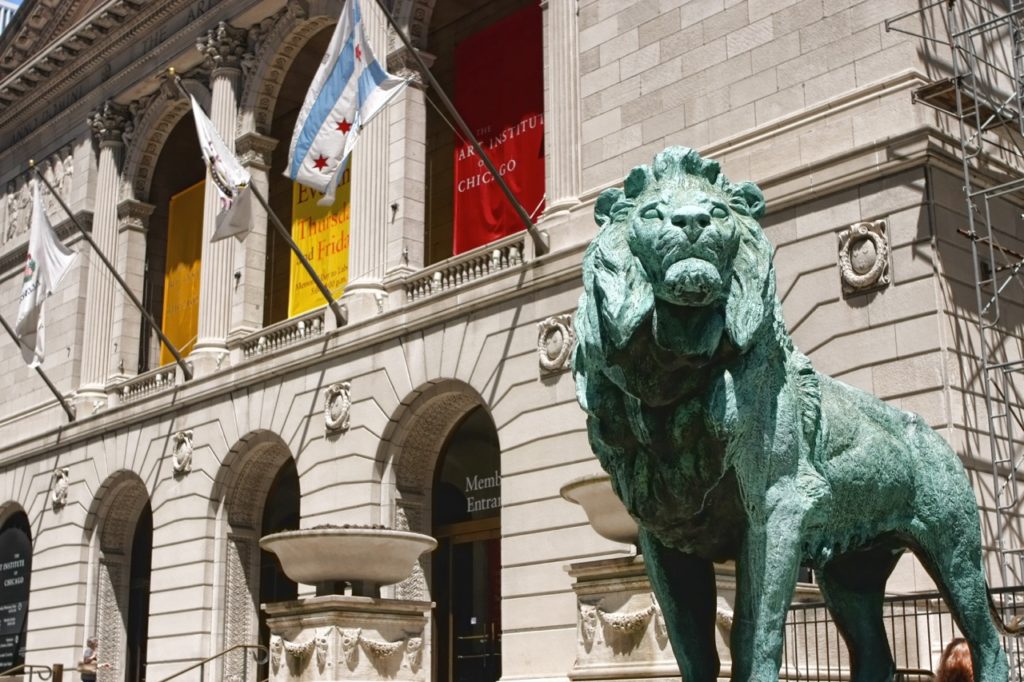
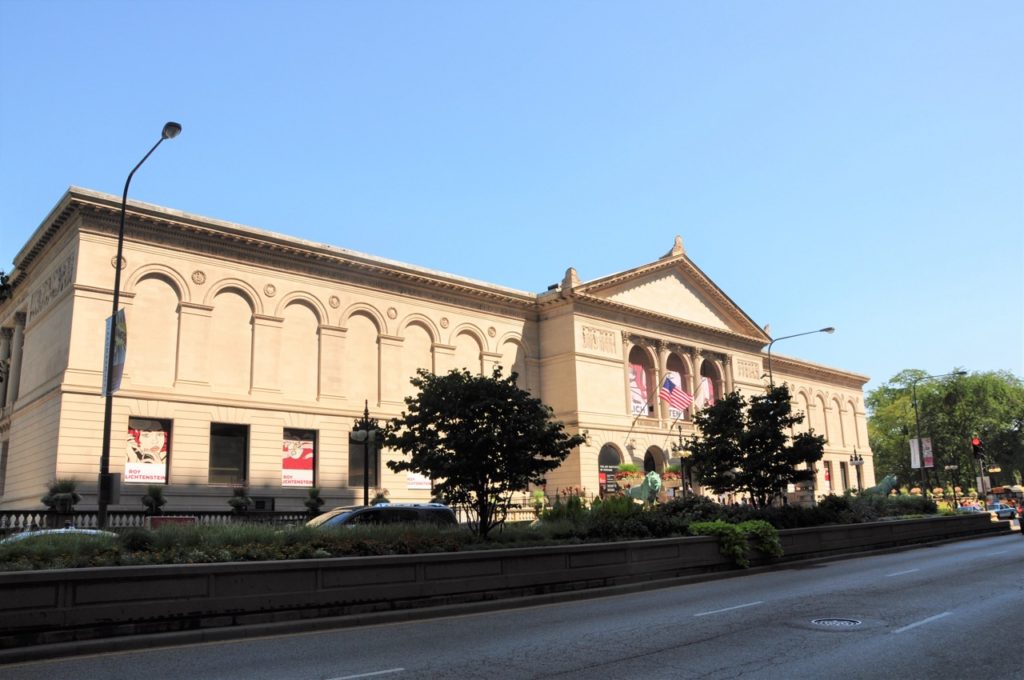
Art institute of Chicago - Ferris Bueller's Day Off
The Art Institute of Chicago is a cultural gem nestled in the heart of the Windy City, renowned for its extensive collection spanning thousands of years and diverse cultures. Founded in 1879, it has grown to become one of the oldest and largest art museums in the United States, hosting an array of paintings, sculptures, and artifacts from around the world.
In the iconic film "Ferris Bueller's Day Off," the Art Institute takes on a starring role as the backdrop for one of cinema's most memorable scenes. Ferris, the charismatic high school slacker, leads his friends on a whirlwind tour of Chicago, culminating in a visit to the museum. Inside, they marvel at masterpieces by artists like Georges Seurat and Pablo Picasso, all while dodging suspicious looks from museum staff.
Hatley Castle in Colwood, British Columbia - X-Men 2
Hatley Castle, nestled amidst the lush landscape of Colwood, British Columbia, is a testament to architectural grandeur and natural beauty. Built-in the early 20th century for the Dunsmuir family, this castle exudes a sense of elegance with its architecture, rustic stone, and picture-worthy gardens. Surrounded by acres of manicured lawns and forests, Hatley Castle is a true Canadian treasure, enchanting visitors with its timeless charm and historic significance.
In the film "X-Men 2," Hatley Castle undergoes a cinematic transformation, serving as the backdrop for Professor Charles Xavier's School for Gifted Youngsters. The castle's interiors provide the perfect setting for Xavier's school, where young mutants are trained to harness their extraordinary abilities. Against the backdrop of Hatley Castle's splendor, the X-Men grapple with complex moral dilemmas and confront powerful adversaries, showcasing the castle's role as a sanctuary for both its fictional inhabitants and audiences alike. Today, Hatley Castle's association with the X-Men franchise has cemented its status as an iconic filming location and a must-visit destination for fans of the series.


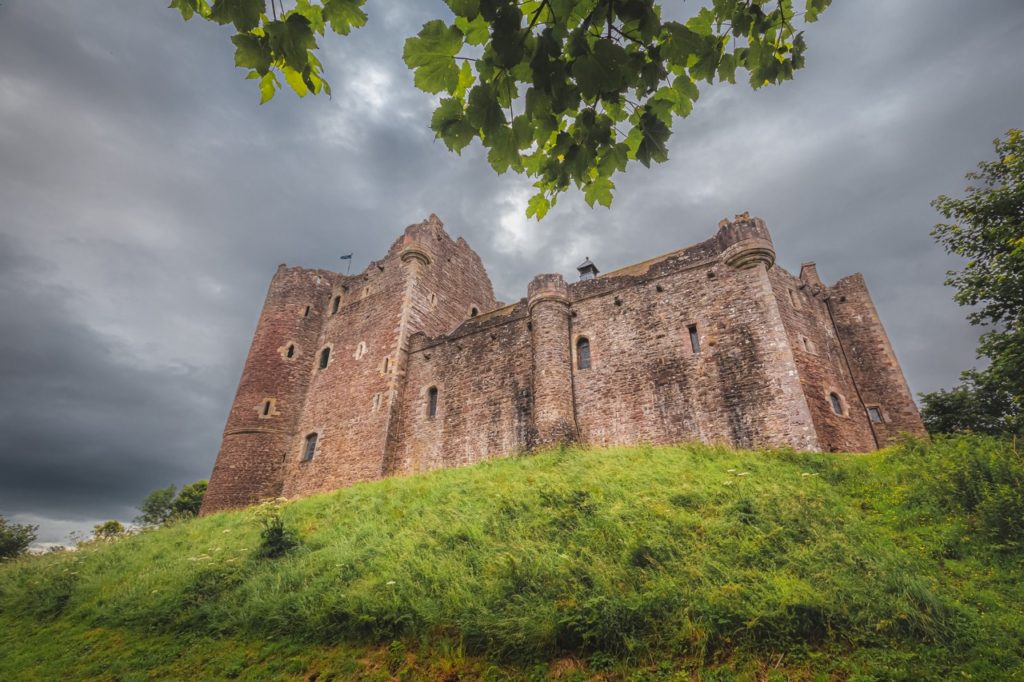
Doune Castle near Sterling, Scotland - Monty Python and the Holy Grail
Doune Castle, perched near Stirling, Scotland, is a medieval marvel engraved in history and legend. Built in the 13th century, its stone walls and rugged battlements evoke a sense of ancient grandeur, as do its views of the surrounding countryside. From its hilltop perch, Doune Castle has witnessed centuries of Scottish history unfold, from royal intrigue to military campaigns.
However, it's not just its historical significance that makes Doune Castle famous. In the comedic classic "Monty Python and the Holy Grail," this majestic fortress takes on a hilariously absurd role as multiple castles on the quest for the Holy Grail. With its rugged exterior and well-preserved interior, Doune Castle provides the perfect setting for the film's comedic antics and outrageous characters.